
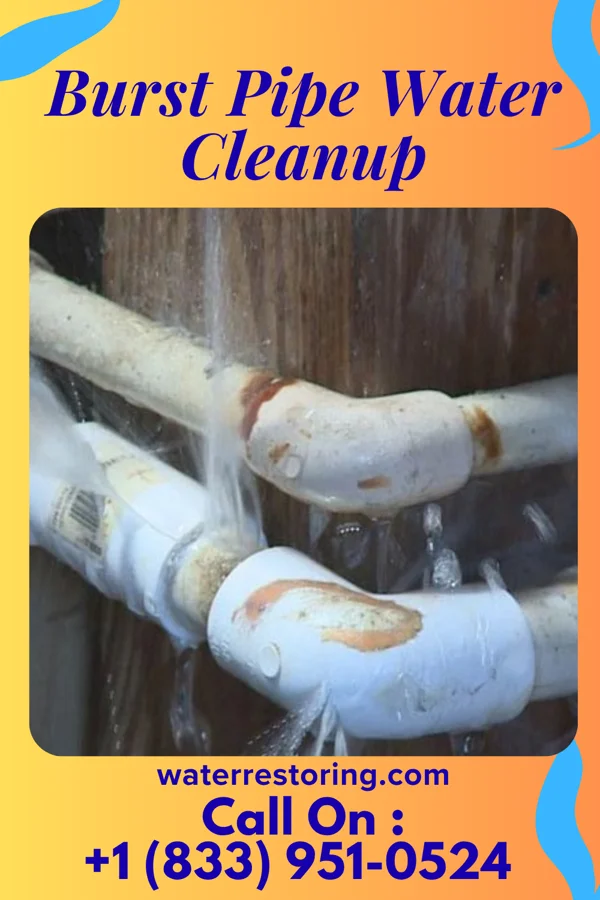
Warner Pipe Burst Risk Drivers
Water damage in Warner tends to cluster in predictable windows because of the local climate. Warner, South Dakota, experiences a high risk of burst pipes due to its rural setting and aging infrastructure. The combination of fluctuating temperatures and occasional freezing conditions can cause pipes to expand and contract, leading to cracks and bursts. This is particularly common in older homes with less modern insulation and plumbing systems. A close second is The proximity to larger cities like Aberdeen and Mansfield means that some residents may rely on municipal water systems that can experience pressure fluctuations. These fluctuations, combined with the area's seasonal temperature changes, increase the likelihood of pipe failures, especially during winter months..
Warner's rural climate, characterized by cold winters and variable temperatures, creates a challenging environment for plumbing systems. The region's seasonal shifts and occasional extreme weather events contribute to an increased risk of pipe bursts, requiring prompt and professional water cleanup services.
Warner's rural climate, characterized by cold winters and variable temperatures, creates a challenging environment for plumbing systems. The region's seasonal shifts and occasional extreme weather events contribute to an increased risk of pipe bursts, requiring prompt and professional water cleanup services. The dominant local driver is Warner, South Dakota, experiences a high risk of burst pipes due to its rural setting and aging infrastructure. The combination of fluctuating temperatures and occasional freezing conditions can cause pipes to expand and contract, leading to cracks and bursts. This is particularly common in older homes with less modern insulation and plumbing systems., with The proximity to larger cities like Aberdeen and Mansfield means that some residents may rely on municipal water systems that can experience pressure fluctuations. These fluctuations, combined with the area's seasonal temperature changes, increase the likelihood of pipe failures, especially during winter months. showing up as the next most common cause. Damage builds in stages. Spread. Absorption. Microbial growth. Structural compromise. Every stage you pass through adds to the final bill.